

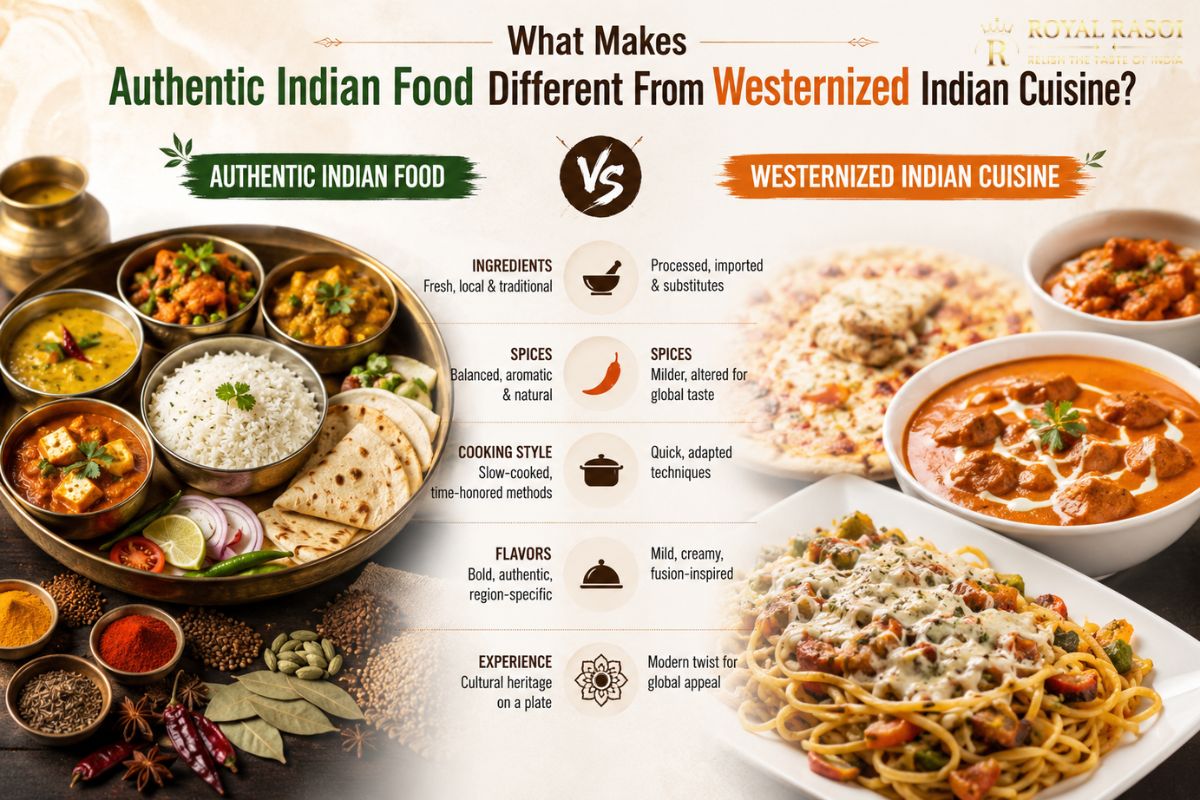
Authentic Indian cuisine is all about the spice blends that are freshly ground, well-established culinary traditions, and methods of cooking that take a long time – unlike those one finds in the sugary-cum-creamy variants of Indian dishes one gets at many westernized eateries. There are three indicators of authenticity: how the spices are ground, the knowledge of the kitchen about the differences between Punjabi and Kerala cuisines, and whether the tandoor in a restaurant is the real deal or just the electric stove with some liquid smoke.
In fact, the demand for the real deal has grown considerably in Hanoi in particular. As per the government tourism data, the number of Indian tourists arriving in Vietnam reached 82,000 in the first 10 months of 2022, with a monthly growth rate of over 50 percent. If you are looking for an authentic Indian curry restaurant in Hanoi, do not focus on the size of the menu but on the ability of the staff to explain the taste of the dish.
Key takeaways
- Authentic Indian food preparation employs spices that are ground and mixed in-house as opposed to curry powder that comes pre-packaged.
- India boasts a number of major regional cuisines (at least six). The term ‘curry’ is a label attributed by the West and not one coined by the Indians.
- Tandoor cooking needs more time than any shortcut recipes can give you, as do slow-stewed gravies or home-made bread.
- If you see a sizable vegetarian and Jain menu in any Indian restaurant, it is generally an indication that the restaurant employs traditional cooking methods.
What does "authentic" actually mean in Indian cooking?
"Authentic" is a term that's used so liberally that it has basically lost its sharpness. It has nothing to do with spice levels or the amount of turmeric that goes into the preparation of a dish. What the term refers to is that a dish is prepared using methods employed in the real origin of the dish.
However, a butter chicken dish made with a can of tomato puree and creamer is not wrong but is definitely not what a person gets in the Indian capital. The authentic butter chicken is not the one made using the methods of preparation in the West. The real preparation involves cooking chicken in a traditional tandoor and then cooking a blend of tomato and cashew gradually.
Spice blends: homemade vs bottled
The main cause of the difference between excellent and normal Indian cuisine lies in the kitchen. A kitchen that roasts and grinds its whole spices and modifies the proportions according to each dish will achieve better results than a pre-packaged mix. Once the spice has been ground, the aroma starts disappearing gradually. Freshly roasted and ground spices retain their essential oils, which the ones in jars have lost a long time ago.
What actually changes is:
| Element | Homemade Spice Blend | Store-Bought Powder |
|---|---|---|
| Aroma | Strong, roasted, layered | Flat, dusty after a few weeks |
| Heat control | Adjusted per dish | Fixed, one-size-fits-all |
| Regional accuracy | Matches specific cuisine | Generic "curry powder" |
| Shelf life impact | Used fresh, short window | Sits for months |
When a kitchen says its spices are ground in-house, that's not a marketing line. It changes the dish at a structural level, not just the taste.
One country, dozens of cuisines- not just "curry"
The British applied the word "curry" to Indian food broadly, and it never went away. But there isn't one Indian cuisine. Punjabi cooking runs on wheat, dairy, and the tandoor. Tamil and Kerala food is rice-based, built around coconut, and leans on curry leaves and tamarind instead of cream. Gujarati food tends to be sweeter and lighter. Hyderabadi biryani and Lucknowi biryani barely resemble each other once you look at the rice, the layering, and how long each one rests before serving.
Therefore, flattening all of that into a single "Indian curry" section is where the Westernizing actually happens. A menu built around a proper North Indian restaurant in Hanoi concept is a deliberate choice to represent one region well, Punjab or Delhi or Uttar Pradesh, instead of blending every state into the same base sauce.
Cooking methods that are hard to fake
Three techniques tend to separate the real thing from a shortcut:
- Tandoor cooking- A clay oven running past 400°C gives naan its char and blister, and gives meat a smoky edge a regular oven can't produce even with liquid smoke added.
- Slow-braised gravies- Dal makhani and rogan josh need hours at a low simmer so the spices actually work into the fat and protein. Rush it and you end up with spice floating on top of a soup instead of cooked into it.
- Hand-pulled bread- Naan, roti, and paratha made by hand behaves differently from the machine-pressed versions- the air pockets, the texture, how well they hold a sauce.
None of this is complicated in theory. It's just slow, and speed is usually the first thing that gets sacrificed when a kitchen is optimizing for turnover.
Finding an authentic curry restaurant in Hanoi
Hanoi's Indian food scene has grown faster than most people realize. The city now has more Indian authentic curry restaurant Hanoi than any Vietnamese city outside Ho Chi Minh City, driven by rising Indian tourism and a long-established expat community. That's good news for anyone hunting good food, but it also means more kitchens quietly adapting recipes for speed instead of accuracy.
A few things worth checking before you sit down:
- Ask whether the spice blends are made in-house or bought pre-mixed.
- Look for regional labeling on the menu: South Indian, Mughlai, Punjabi, instead of one generic curry list.
- Check whether there's an actual tandoor on-site, not just tandoori seasoning on something baked in a regular oven.
- See if the vegetarian and Jain sections go beyond the basics.
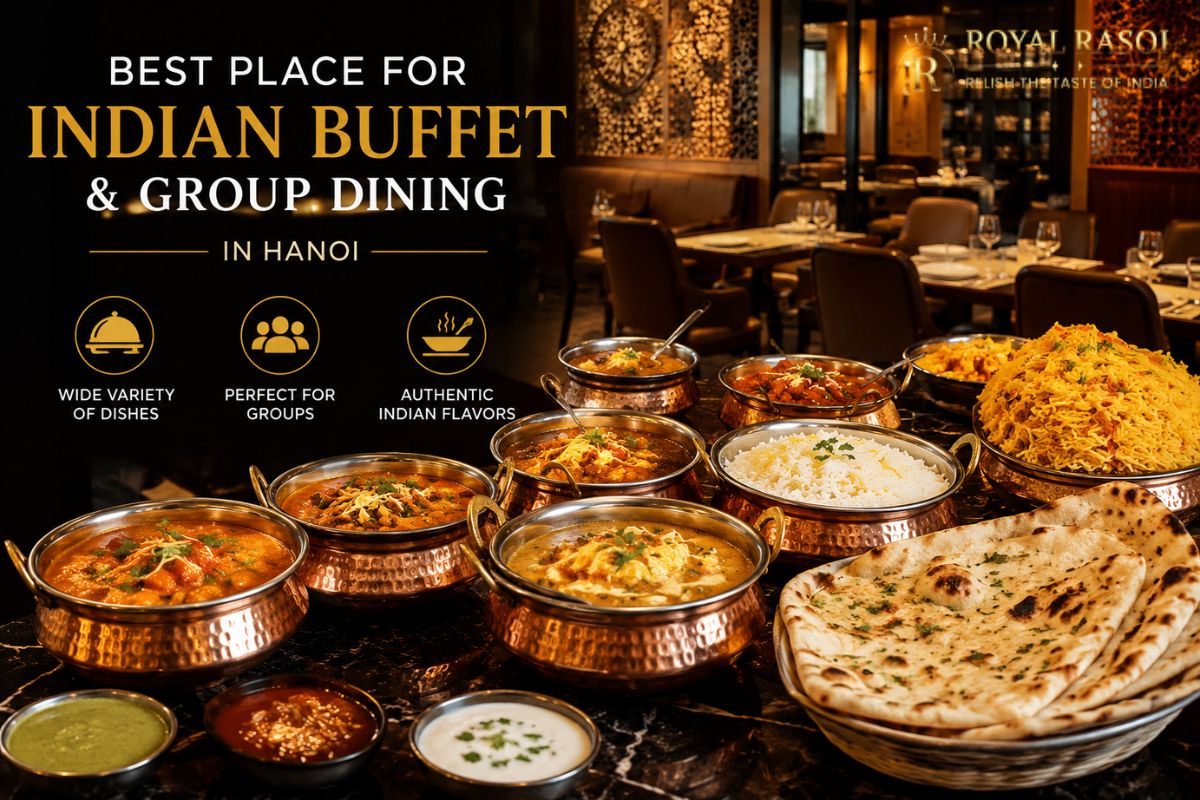
Royal Rasoi in Cau Giay checks these boxes: spice blends ground in-house, a traditional clay tandoor, and a vegetarian menu that includes Jain preparations. If you're weighing options for the best restaurant in Cau Giay district Vietnam, those details matter more than star ratings or how many pages the menu runs.
Mistakes people make when judging Indian food
A few habits tend to lead people astray:
- Judging by spice level- Heat has nothing to do with authenticity. Bengali fish curry, one of the most traditional dishes there is, is mild.
- Assuming a long menu means skill- A restaurant covering 80 dishes across every region is more likely stretched thin than mastering all of it.
- Trusting decor over kitchen practice- Ornate interiors say nothing about whether the spices were ground that morning.
- Skipping unfamiliar regional dishes- Those are usually the ones closest to how the food is actually eaten in India.
Expert tips for spotting the real thing
Order something hard to fake if you want a shortcut. A biryani where the rice stays separate, and the meat is tender without turning mushy, tells you the layering and dum cooking were done right. A dal with real depth instead of just cumin and salt usually means it wasn't built from a base mix. And if a server can name the region a dish comes from without pausing, that's typically a kitchen that treats the food as more than one big undifferentiated category.
Conclusion
The line between authentic and Westernized Indian food isn't about how much heat you can handle. It's about whether the kitchen grinds its own spices, respects regional differences, and uses techniques- tandoor heat, slow braising, handmade bread- that can't be shortcut without changing the outcome. Once you know what to look for, the difference shows up on the first bite. If you're in Hanoi and want to taste it for yourself, Royal Rasoi in Cau Giay is worth the trip.
Frequently asked questions
- What's the actual difference between Indian curry and Western-style curry?
Western curry usually means one sauce base applied to whatever protein you order. Indian cooking uses different spice ratios and techniques by dish and by region, so "curry" was never really an Indian category to begin with. - Why does Indian food abroad often taste sweeter than in India?
Restaurants often add sugar or extra cream to tone down the spice for unfamiliar diners, and that shifts the flavor away from the original recipe. - Is spicier food more authentic?
No. Heat varies a lot by region and dish. Some of the most traditional Indian food, like Bengali fish curry, is mild. - What should I order to test if a restaurant is authentic?
Try something slow-cooked, like dal makhani or biryani. Both are hard to fake and show whether the kitchen actually took the time. - Why does vegetarian food matter for judging authenticity?
A large share of India eats vegetarian or Jain, so a thoughtful vegetarian menu is usually a sign of a kitchen cooking traditionally rather than cutting corners. - Does tandoor cooking really make a difference?
Yes. A real clay tandoor hits temperatures a home oven can't touch, which produces char and smoke that liquid smoke or grill marks don't replicate. - Are there Indian restaurants in Hanoi that focus on one specific region?
Yes. Several kitchens in the city specialize in one regional cuisine, North or South Indian, instead of mixing everything. - How has demand for Indian food in Hanoi changed recently?
Indian tourist numbers to Vietnam have climbed quickly over the past few years, and that's pushed more restaurants to raise their standards. - What's the best way to judge a restaurant before visiting?
Check whether the menu labels dishes by region, ask about in-house spice grinding, and look for a vegetarian section that goes past the usual paneer dishes. - Where can I find authentic North and South Indian food in Cau Giay, Hanoi?
Royal Rasoi in Cau Giay serves both North and South Indian dishes made with homemade spice blends and traditional tandoor cooking.