-
-
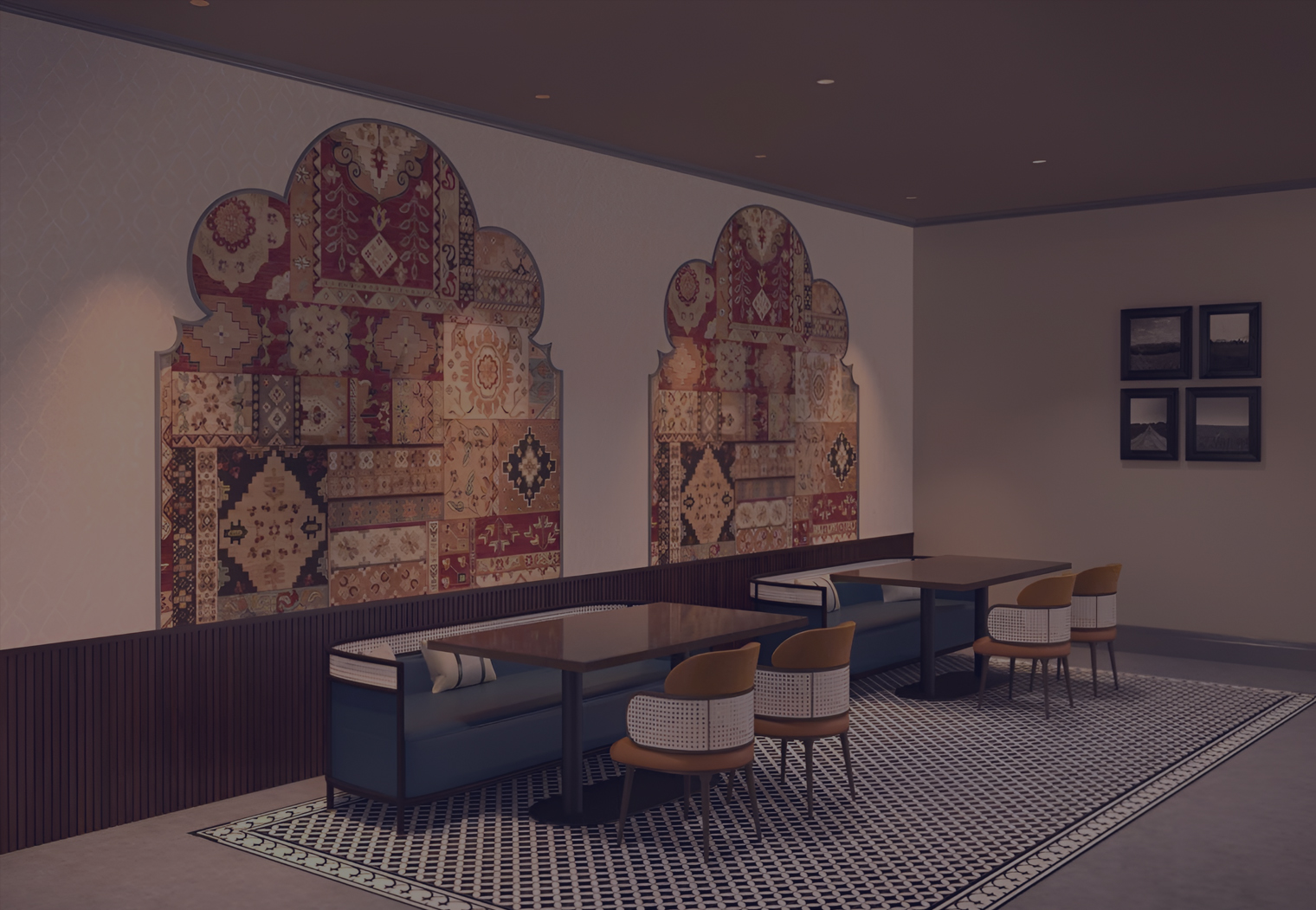 Royal Indian Elegance DiningAuthentic Indian Restaurant in Hanoi at Grand Plaza Hotel
-
 A Royal Taste of India,Now in the Heart of Hanoi.
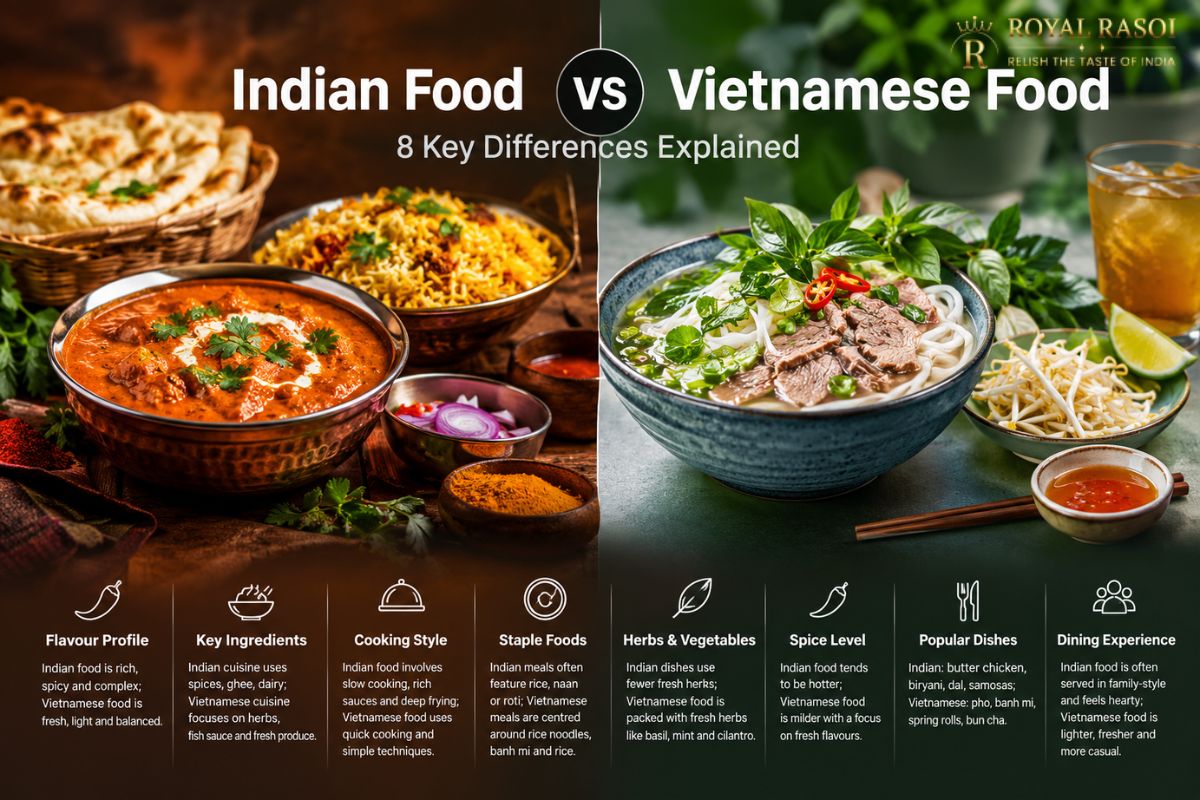
Indian Food vs Vietnamese Food: 8 Key Differences Explained
Key takeaways
- Food in India makes use of layered spices, deep sauces, and the technique of slow-cooking to draw out complex flavors.
- Vietnamese food relies on the use of fresh herbs, light broths, and balanced seasonings for milder flavors.
- Tandoor dishes and vegetarian options should be considered when selecting Indian restaurant menus.
- Restaurant menus, operating hours, and dietary choices must be checked before going to a restaurant in Hanoi.
What sets Indian and Vietnamese food apart?
While Indian cuisine develops flavors through layering spices, slow cooking, and heavy gravies, Vietnamese cuisine achieves bright flavors through herbs, clear soup, and rapid cooking. Both cuisines are traditional and regional; however, they strongly differ in their basic cooking methods and daily eating habits. The best Indian restaurants in Hanoi are ideal for Indian food.
Each cuisine mirrors its specific environment. Indian cuisine emerged as a result of the availability of wheat, lentils, dairy, and numerous spices. Vietnamese cuisine appeared under the influence of rivers and coastal areas where rice, fish, and greens were common foods.
| Aspect | Indian Food | Vietnamese Food |
|---|---|---|
| Core flavor profile | Warm, layered, and aromatic | Fresh, bright, and balanced |
| Main staple | Wheat breads and basmati rice | Steamed rice and rice noodles |
| Signature technique | Tempering spices in hot oil, slow simmering | Broth-making, quick stir-frying, raw herb garnish |
| Sauce base | Onion, tomato, and ginger-garlic | Fish sauce, lime, and chili |
| Typical meal | Shared curries with bread or rice | Single bowls or shared small plates |
How do the 8 key differences show up on the plate?
It helps to order and enjoy food when you're aware of these differences. Below are two ways the two cuisines view flavor and texture.
1. How does spice heat differ?
In Indian cooking, heat is added to the food itself. They add dried chilies, black pepper, and spices that help warm the food so that the flavor permeates the sauce. Common spices include:
- Cumin seeds: Provide an earthy base.
- Coriander powder: Gives citrus-like depth to the dish.
- Garam masala: A mixture of warm spices used at the end of a dish.
- Dried red chillies: Provide a gradual and steady kick and are a crucial addition to most recipes.
Most Vietnamese restaurants will let the guest decide on the temperature. Fresh sliced chilies, chili sauce, or chili vinegar will often be served on the side. This results in a Vietnamese bowl that tastes both sour and savory at first bite, and then comes the heat when you add it.
2. Why are fresh herbs so important in Vietnamese cooking?
A lot of Vietnamese dishes come with a little pot of fresh herbs to garnish. These are typically broken apart during eating and added to the food, such as on top of the soup or noodles. Common herbs include:
- A blend of mint, adding cool freshness
- Thai basil, with anise flavors
- Coriander is a herb used for giving brightness to foods.
- A peppery herb that is called sawtooth.
Moreover, herbs are also used in Indian cooking, but as cooked ingredients. Coriander leaves are typically used as a garnish at the end of a dish, fenugreek leaves as a garnish, and Curry leaves in hot oil.
3. How do the cooking methods compare?
Slow cooking is central to Indian cuisine, along with pressure cooking lentils and cooking breads and marinated meats in the tandoor clay oven. Onions and spices can be turned into a rich and thick base by cooking them for a long time.
Boiling for hours, steaming rice and dumplings, and stir-frying over high heat are all preferred in Vietnamese kitchens. Broths are frequently watery, which helps to keep the taste of a meat, bone, or vegetable base pure.
4. What Role Do Dairy and Fat Play?
Dairy is an integral part of a lot of the Indian dishes. Ghee, butter, cream, yoghurt, and paneer help to make curries and breads richer and bulkier. Strong spices are usually buffered by a creamy tomato gravy or by a spoonful of yogurt.
The culinary scene is generally lighter on dairy in Vietnam. Fat is typically added to the diet from pork, peanut oil, and marrow from bones used for broths. Sweetened condensed milk is not used in savory food but more often in coffee.
5. Which staples anchor each cuisine?
Foods served in India are frequently breads and rice. Lentils and gravies are scooped with curries; roti, naan, and paratha are scooped with curries. There are different types of breads and rice styles for each region.
Rice is the main ingredient in Vietnamese meals, which comes in a variety of forms. Steamed rice is served with a variety of grilled meats; rice noodles are used to make phở and bún; and bánh mì, a crusty baguette of French origin, illustrates how the cuisine has absorbed foreign influences. The best restaurant in cau giay district Vietnam, provides the best Vietnamese dishes.
6. How do vegetarian traditions differ?
- Vegetarianism in India: Very much a part of Indian culture and influenced by Hindu and Jain traditions. Many of the daily dishes are based on lentils, chickpeas, paneer, and seasonal vegetables.
- "Chay" in Vietnam: In Vietnam, the vegetarian cooking style or cuisine "chay" replaces meat with tofu, mushrooms, and fermented soy. No fish sauce; flavored with pickles, herbs, and sweetness. Both customs demonstrate that food that is vegetarian can be complicated and fulfilling.
7. What Makes the Sauces and Seasonings Different?
- Indian Sauces: Designed to be thick and slow-cooked. The tangy tamarind and mint chutneys complement the tomato-onion gravies, coconut-based curries and cooling yoghurt raita.
- Vietnamese Sauces: Tend to be light and subtle. A dipping sauce called nước chấm, which is a mixture of fish sauce, lime, sugar, and garlic, is served at nearly every table. Menus use it to taste and add salt, sour, sweet, and spicy elements.
8. How Does the Meal Itself Work?
- Indian Dining Style: Typically served in a 'thali' (platter) holding small bowls of various dishes or as a family-style platter. Generally, they use their right hand to eat and eat using utensils and they receive all the food at once.
- Vietnamese Dining Style: Meals vary. Soups are served in bowls; stir-fries, grilled foods, and rice dishes are generally served family style. Common utensils used are chopsticks and a spoon.
Where can you find great Indian food in Hanoi?
There are more and more Indian restaurants in Hanoi, and the best are typically located in areas with expats and offices. Check for a clay tandoor, a designated vegetarian area, and freshly baked breads. Before heading out, check the menu of the Indian restaurants in Hanoi to ensure that you find the best one for your taste.
The size of the Indian diner community in Hanoi is smaller than the Vietnamese street food community, and thus, quality is highlighted. When it comes to spice blends and bread-making, it's easy to identify good restaurants.
What should you look for in an Indian restaurant?
- A tandoor or clay oven: Cooked naan and kebabs with charred edges indicate high heat cooking.
- Warm, puffed naan or paratha: A freshly made bread indicates the kitchen makes food to order.
- A clearly marked vegetarian section: An explanation as to ingredients and labeled dishes indicate a kitchen that is used for vegetarian guests.
- Balanced spice options: If staff ask about how hot or spicy you like your food, they know what they're doing.
Dining in Cau Giay: tips for Indian food lovers
Cau Giay is one of the best places for international visitors, where there are lots of offices, cafes and shops. If you are interested in a quieter table, reserve a table for a weekday evening, and for a weekend reserve a table ahead of time. Before visiting the best vegetarian Indian restaurant in Cau Giay district, Vietnam, be sure to research their hours and check their online menu.
Royal Rasoi: A strong starting point
Royal Rasoi is a good place to begin your search. Check restaurant information ahead of time as they can change their hours, address, and menu.
For those who like northern Indian cuisine, you can find a North Indian restaurant in Hanoi that specializes in tandoor, gravies based on butter and various types of breads. This style works well for kitchens where there is a good ratio of cream, tomato and spice - ideal for first time visitors.
Which dishes should you order first?
To achieve an understanding of the cuisine, one can start with the basic combination of one starter, one gravy dish, and one choice of bread. For Indian food in Hanoi, the ideal starter consists of a tandoori dish, a lentil or vegetable curry, and one bread item. This combination illustrates both the smoky and rich aspects of the cuisine.
Top starters and snacks
When trying a cuisine, starters are a good indication of the quality of cooking. Some popular options are listed here:
- Samosas: Fried pastries filled with spiced potatoes and peas
- Tandoori chicken: Chicken marinated in yogurt and grilled
- Paneer tikka: Cheese cubes grilled with seasoning and spices
- Pakoras: Fried snacks made of gram flour containing onions or vegetables
Vegetarian Picks
Vegetarians will find themselves spoiled for choice with an abundance of dishes. Among these vegetarian dishes, dal makhani, a homemade black lentil curry rich in butter and cream that can be enjoyed along with garlic naan, is a favorite. Other common vegetarian options include paneer dishes, such as palak paneer, which combines spinach and cheese. When looking for a vegetarian Indian restaurant in Cau Giay, ensure to check whether the restaurant is able to serve these dishes separately from meat.
How to build a balanced order?
- Start with one tandoori dish that you can share.
- Choose a curry preparation of your preference (spicy or mild).
- Order a lentil or vegetable dish to create contrast to the overall richness of the meal.
- Order bread items (naan, roti, paratha, etc.).
- Finish with a simple dessert, like kheer, a rice pudding flavored with cardamom.
Bottom line
Cuisine from India and Vietnam has completely different experiences and is equally rewarding. The understanding of eight differences with regard to spices, herbs, cooking techniques, and meal structure makes it easier to appreciate individual dishes. In Hanoi, it is quite possible to have a bowl of phở for breakfast and have a tandoor platter for dinner.
Frequently asked questions
1. What Is the Main Difference Between Indian and Vietnamese Food?
The cuisine of India incorporates spices through sizzling oils and the cooking of rich sauces, whereas the cuisine of Vietnam uses fresh herbs and transparent soup broths in its culinary preparations.
2. Where Is the Best Restaurant in Cau Giay District for Indian Food?
Checking for catering and fresh bread is extremely important since you have to analyze the menus before finalizing the venue.
3. Which Is the Best Vegetarian Indian Restaurant in Cau Giay?
You should be on the lookout for vegetarian menus that include dishes like dal makhani and paneer tikka.
4. Is a North Indian Restaurant in Hanoi Good for Families?
Yes, most have mild dishes, shared plates, and breads that appeal to both children and adults.