
Key takeaways
- The delivery of food becomes easy when you have thalis and combo platters for adults, kids, and mixed groups.
- The naan, paneer, and dal are acceptable items for most family members regardless of the spice level they prefer.
- Hanoi's Indian food restaurants have developed with the increasing number of Indian tourists.
- Make reservations for dinner early as it is difficult to secure tables with families over the weekends.
Why does sharing work so well with Indian food?
Thalis are the easiest starting point
If you've never ordered for a group before, start with a thali. It's a single tray with small portions of several dishes: a curry or two, dal, rice, roti, a vegetable side, sometimes a sweet. One thali per two people, roughly, works well because nobody is stuck eating a full portion of a dish they don't love.
Thalis also solve the "what if the kids don't like curry" problem better than an à la carte order would. Because portions are small, a child can try the curry, ignore it if it's too spicy, and fill up on rice and roti instead. Nobody feels like they wasted money on a dish that got pushed aside.
Therefore, restaurants aiming for family traffic tend to offer both a vegetarian and a non-vegetarian thali on the same menu, sometimes with a "family thali" that scales up the portions for four or more people. That's the version worth asking about directly, since not every kitchen prepares it unless requested.
Bread baskets everyone fights over
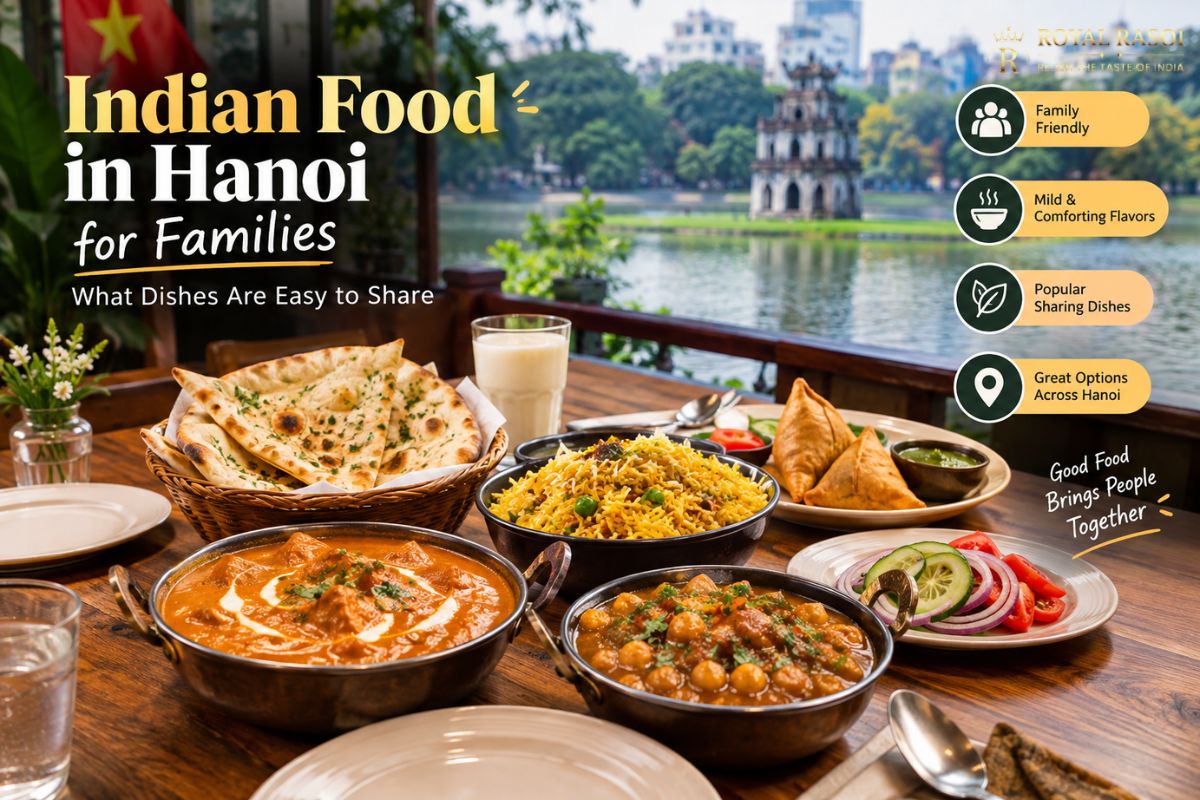
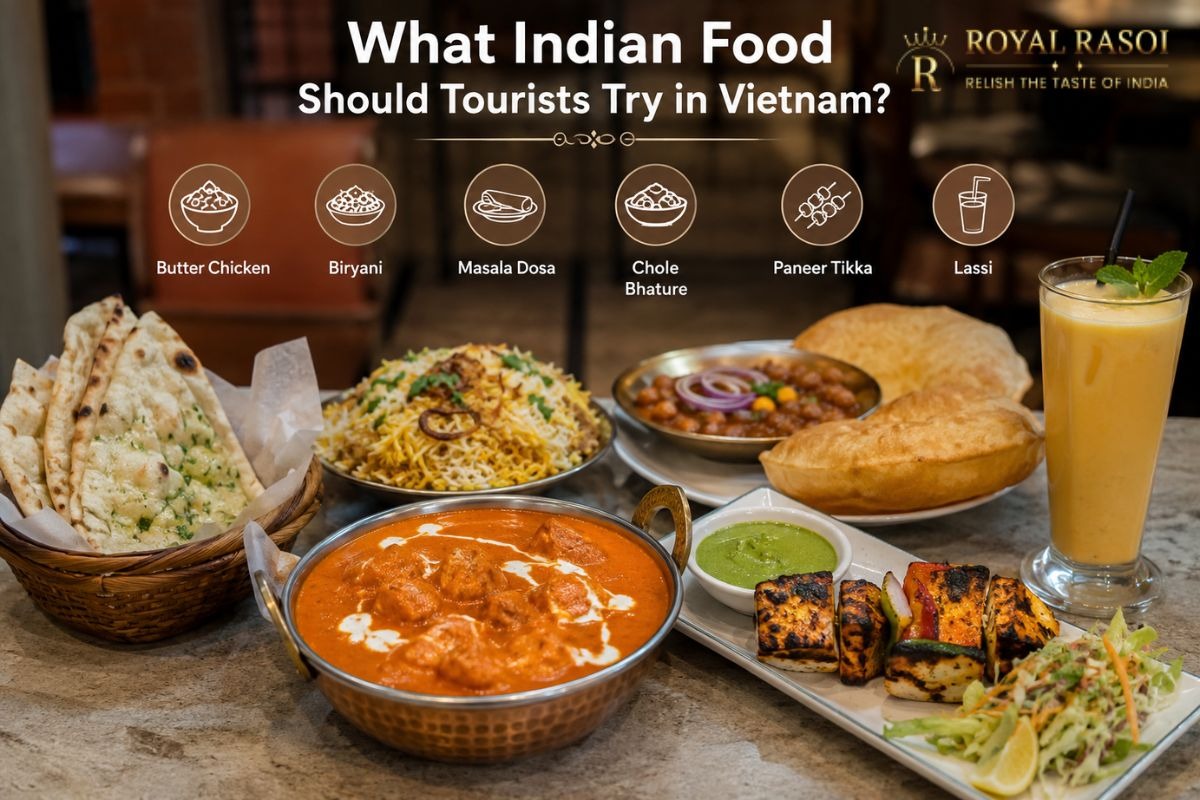
Naan, garlic naan, roti, and paratha are the dishes that disappear first at almost any Indian family table. They're neutral enough for kids, filling enough for adults, and they double as a spoon for scooping up curry, which turns eating into something more interactive, and honestly more fun for children, than using cutlery.
However, a basket of mixed breads ordered for the table works better than ordering one bread per person, because people naturally reach for whatever's closest and end up trying two or three varieties. Garlic naan tends to go first. Plain roti tends to last longest, which is fine, since it's the one dish that pairs with literally everything else on the table.
Biryani and rice platters for groups
Biryani occupies an unusual spot on the menu: it's a complete meal on its own, but it also works as a shared dish when ordered in a larger tray size. Chicken and mutton biryani carry more spice by default, so vegetable biryani is usually the safer pick if you're unsure how the group handles heat.
Most kitchens will also tone down the spice level on request, which is worth mentioning when you order, particularly for tables with young kids or older relatives with sensitive stomachs. A biryani platter with a side of raita, the yogurt-based cooling dish, balances out the rice nicely and gives kids something mild to fall back on if the biryani itself turns out spicier than expected.
Vegetarian options that keep kids happy
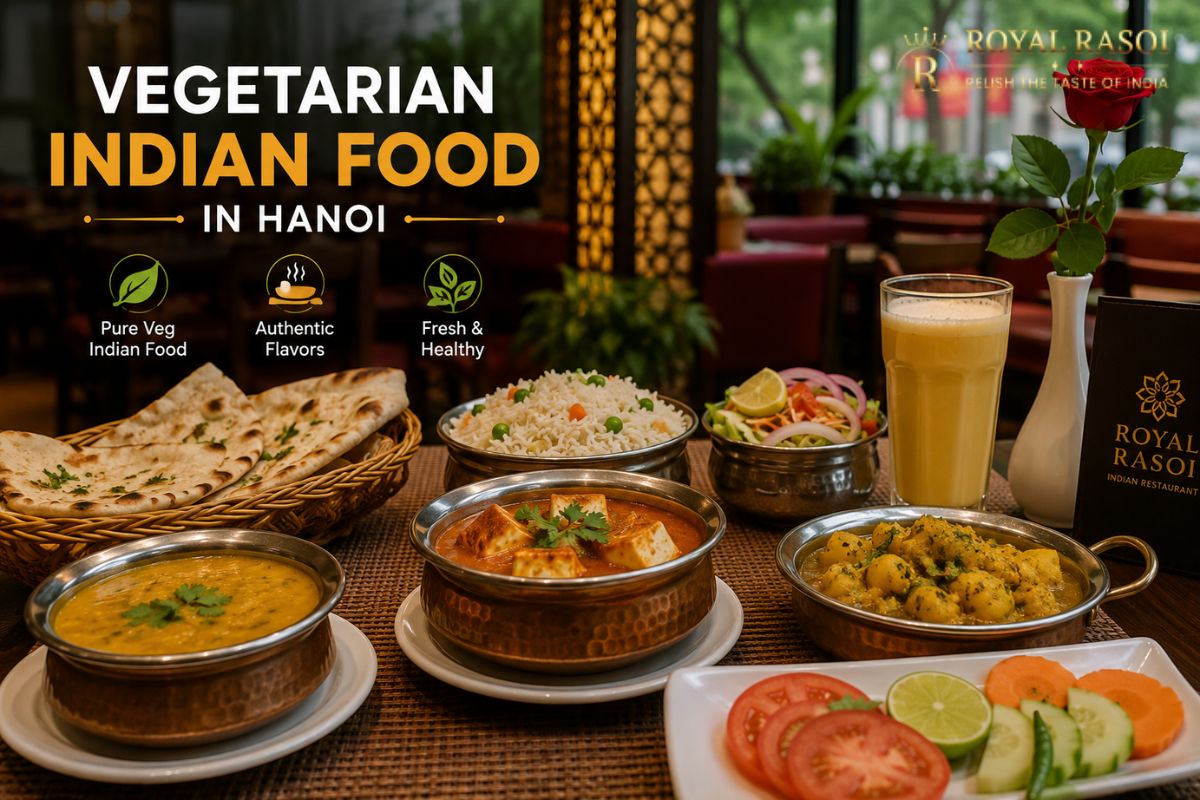
Paneer dishes are, in my experience, the closest thing Indian cuisine has to a universal crowd-pleaser for kids. Paneer butter masala and paneer tikka are mild, a little sweet from the tomato base, and the texture is closer to soft cheese than anything a child would find unfamiliar. Dal makhani, a slow-cooked black lentil dish, works the same way: it's comforting, not spicy, and pairs with rice or naan without any fuss.
Furthermore, families looking specifically at best Indian vegetarian restaurants in Hanoi tend to find that the vegetarian menu isn't a shortened afterthought version of the full menu, but a separate set of dishes with its own real variety: chana masala, aloo gobi, mixed vegetable curry, and a handful of paneer preparations. That range matters if half your table eats vegetarian and half doesn't, since nobody wants to feel like they got the leftover section of the menu.
Timing your visit for families
Weekend evenings are when Hanoi's Indian restaurants get busiest, driven partly by resident Indian families and partly by tourists. That tourist demand has grown noticeably. Indian arrivals to Vietnam climbed to nearly 746,000 visitors in 2025, making India the sixth-largest source market for the country, and that growth has continued into 2026. Hanoi, as one of the standard stops on multi-city Indian itineraries, sees a good share of that traffic.
Additionally, booking a table for Saturday or Sunday dinner is worth doing a day or two ahead if you're a group of five or more. Lunch tends to be quieter and is often the better window if you're traveling with young children who don't do well with a long wait for a table.
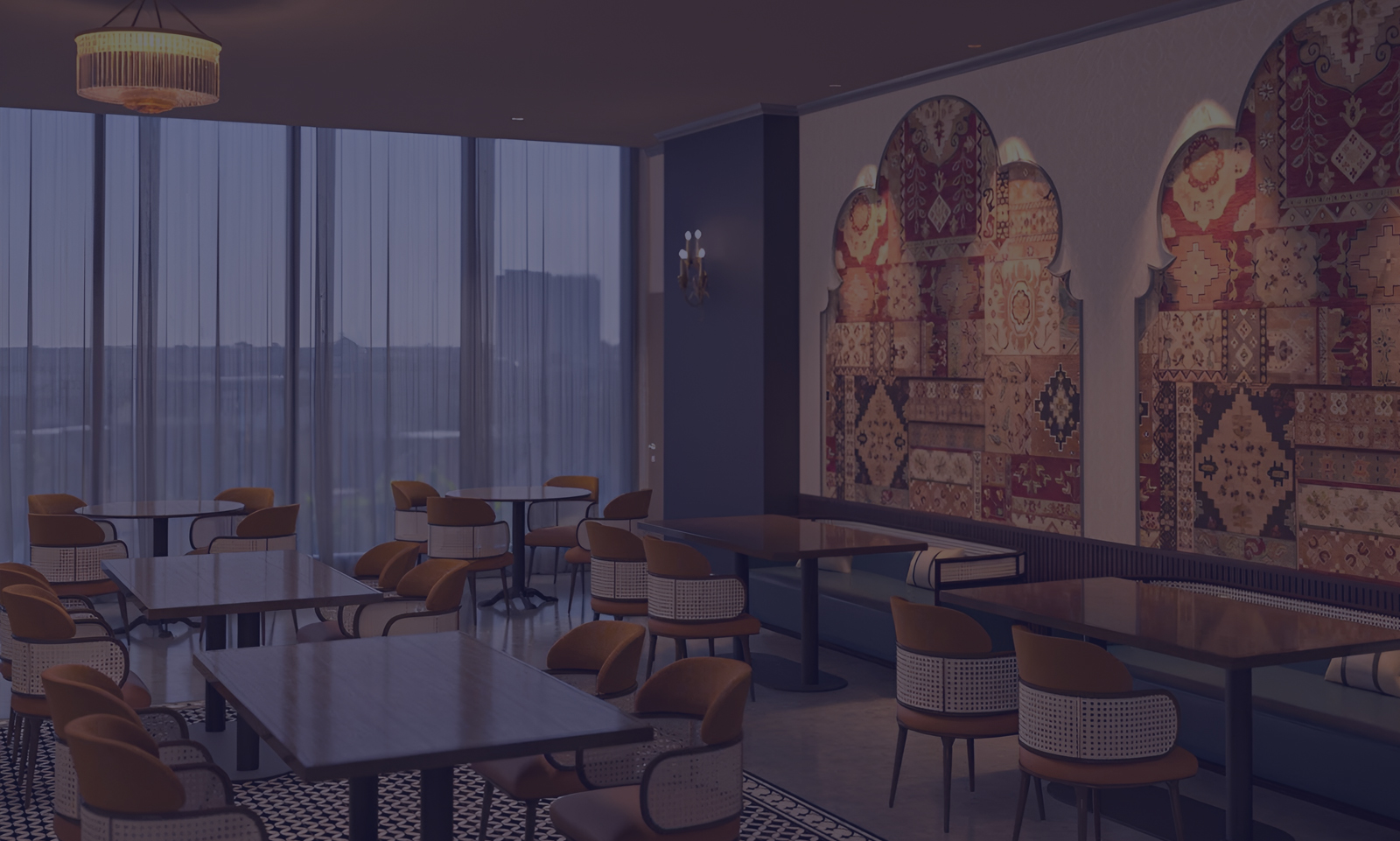
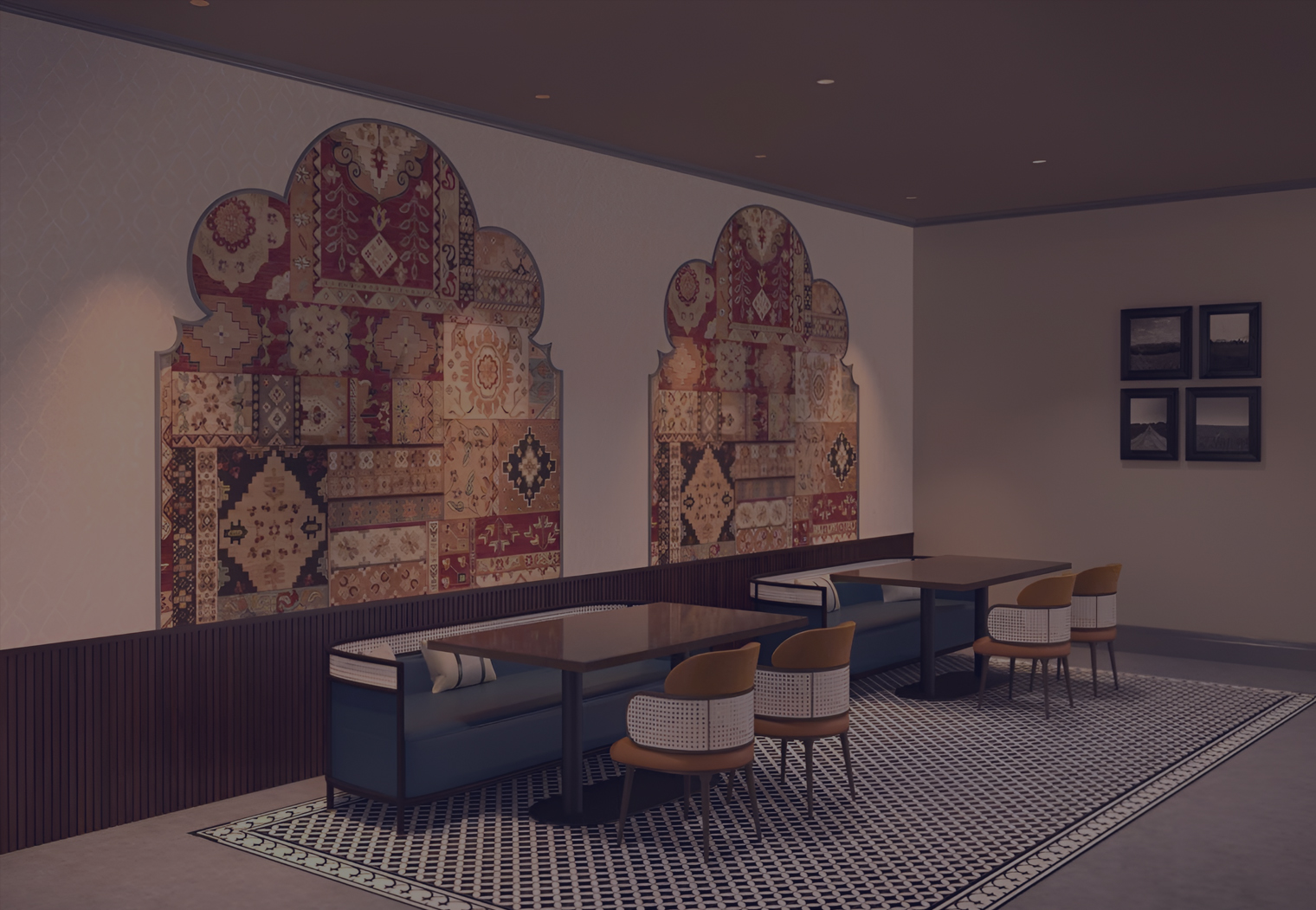
An Indian dinner restaurant Hanoi families return to more than once is usually one that takes reservations seriously and has enough seating flexibility to combine two smaller tables into one for a group, rather than splitting a family across separate tables at peak hours.
Comparing dish types at a glance
| Dish Type | Best For | Typical Spice Level | Veg / Non-Veg |
|---|---|---|---|
| Thali | Groups of 2-4, first-timers | Mild to medium (adjustable) | Both available |
| Naan & bread basket | Any table size | None | Vegetarian |
| Vegetable biryani | Kids, mild-spice eaters | Mild | Vegetarian |
| Chicken/mutton biryani | Adults, spice-tolerant eaters | Medium to hot | Non-vegetarian |
| Paneer butter masala | Kids, vegetarians | Mild | Vegetarian |
| Dal makhani | Whole table, comfort food | Mild | Vegetarian |
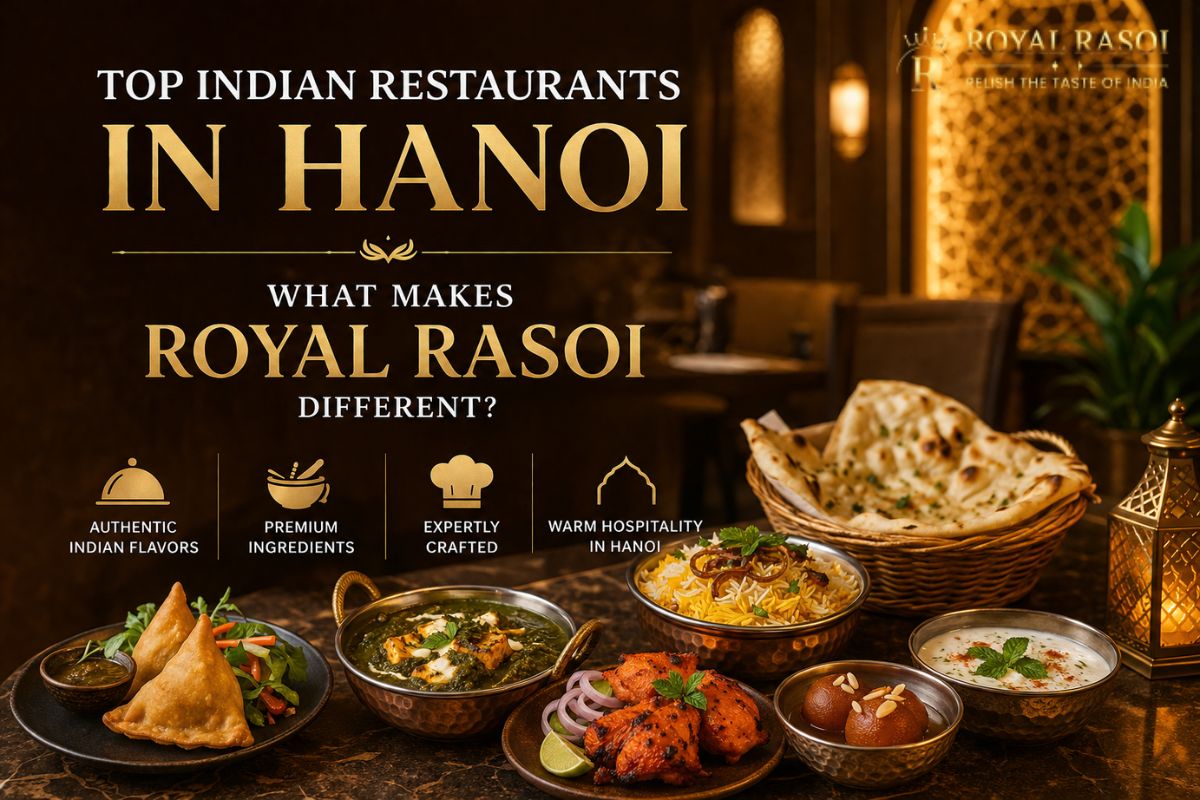
Royal Rasoi in Hanoi is one of the restaurants families mention when they want both the thali format and a proper split between vegetarian and non-vegetarian menus in one sitting, rather than picking a purely vegetarian spot or a purely meat-heavy one.
Final thoughts
Feeding a family well in a foreign city usually comes down to picking a cuisine that shares easily, and Indian food does that better than most. Thalis, bread baskets, and biryani platters let a table of mixed ages and tastes eat from the same spread without anyone settling for the wrong dish. If you're weighing your options among the best Indian restaurants in Hanoi, ask about family thalis, check that the vegetarian menu has real depth, and book ahead for weekend dinners.
However, Royal Rasoi is one option worth trying if you want that balance of variety and flexibility in one visit, and a reasonable place to start if this is your family's first Indian meal in the city.
Frequently asked questions
- What's the easiest Indian dish for a child trying it for the first time?
Paneer butter masala with plain naan is usually the safest bet. It's mild, slightly sweet, and the texture resembles cheese, which most children accept quickly. - Can one thali really feed two people?
Most restaurant thalis are portioned generously enough for two people to share comfortably, especially when ordered alongside a bread basket. - Is Indian food in Hanoi adjusted for local spice preferences?
Many kitchens will reduce spice on request. It's worth telling your server directly rather than assuming the standard preparation will be mild. - How do I find a genuinely good vegetarian menu, not just a shortened one?
Look at whether the vegetarian section has five or more distinct dishes rather than two or three. That usually signals a kitchen that treats vegetarian cooking seriously. - Do Hanoi's Indian restaurants separate vegetarian and non-vegetarian cooking?
Some do and advertise it clearly. Ask directly if this matters to your family, since practices vary between kitchens. - What should a table of six order to keep everyone satisfied?
Two vegetarian curries, one biryani, a bread basket, and a raita usually cover the range of tastes across a mixed group. - Is booking ahead necessary for a family dinner?
For weekend evenings and larger groups, yes. Weekday lunches are generally walk-in friendly with shorter waits. - Are there Indian restaurants in Hanoi with both veg and non-veg full menus?
Several restaurants run complete parallel menus rather than treating one category as secondary, which suits mixed dietary households well. - Why has Indian dining grown in Hanoi recently?
Indian tourist numbers to Vietnam have risen sharply in the past two years, and demand for familiar food has followed that growth. - What's a good dish for someone who doesn't like spicy food at all?
Dal makhani and plain naan are close to spice-free and still feel like a full part of the meal, not a workaround.